

Witnessing a Coach’s Shift
In the first week of DashStrom Coach Certification, we get to witness a transformation in real time. It's the moment a coach gets what our key phrase, finding your dash means to them. It’s when they can stop focusing on the lesson plan and is able to walk into a room already believing the session is theirs to run. It’s not because they memorized anything or out of repeated practice. Rather, it happens the moment the coach embodies the lesson, and something in how they see themselves changes.
That shift is the whole point of DashStrom's coach training. Not just teaching someone to run a drill, but building the kind of confidence that holds up in front of a room of kids who can tell, instantly, whether the adult in front of them believes what they're saying.
The research behind the shift
This isn't just something we've noticed anecdotally. We purposefully have worked with teachers, administrators, coaches and education researchers who have shared with us their long-term teaching observations. Three findings, in particular, shaped how we built our training:
Quality student teaching, not just duration, is what predicts a real head start. Candidates paired with strong mentors during their pre-graduation classroom experience perform roughly as well as someone with a full extra year in the profession — and they stay longer (EdResearch for Action). Time in front of a class matters less than what happens while you're there.
Watching someone teach well, then getting immediate, specific feedback, is the strongest driver of a new teacher's belief in their own capability — more than any theory taught in a classroom. Preservice teachers who got that kind of close, practical mentorship built real resilience for the hard days; those who didn't started questioning whether they'd chosen the right path at all (ScienceDirect).
And the stakes of getting this right are higher than they look: roughly half of all teachers leave the profession within five years, and classroom management struggles are the most-cited reason. Researchers describe it as a cycle — low confidence leads to less effort, which leads to real struggles, which erodes confidence further. Early "mastery experiences," on the other hand, build momentum in the other direction entirely (Liberty University, Self-Efficacy and Classroom Management).
Put together, the research says something simple: the confidence to lead a class isn't a personality trait you either have or don't. It's built, deliberately, through real practice with real feedback — before the stakes get high.
The nuance we train for
Here's where DashStrom's training goes a step further than "get some reps in." We don't just want coaches confident enough to run a session. We want them to notice something much smaller and much harder to see: the exact edge where a specific child could be nudged to try a little more than they think they can.
That's a skill, not an instinct. It means a coach has to know a child well enough to tell the difference between "this is genuinely too hard right now" and "this is uncomfortable, which is exactly where the growth is." And it means watching closely enough, afterward, to notice, and name out loud, what that child actually overcame to give the challenge their best effort. That noticing is what turns a good session into a moment a kid remembers.
We can't teach that on day one. It's the layer of confidence that comes after a coach has stopped worrying about themselves long enough to fully see the child in front of them.
Three coaches, three versions of the same shift

Coach Luke found his Dash coaching summer camp. What started as "I hope I don't mess this up" turned into something else once DashStrom's training and mentorship gave him a framework: he started spotting the specific developmental opportunities in front of him, session by session, instead of just getting through the day.

Coach Cristina puts it more simply: every DashStrom lesson she coaches fills her cup. That's not a small thing. It's what professional satisfaction sounds like once it stops being effortful and starts being fuel for pursuing greater professional excellence.
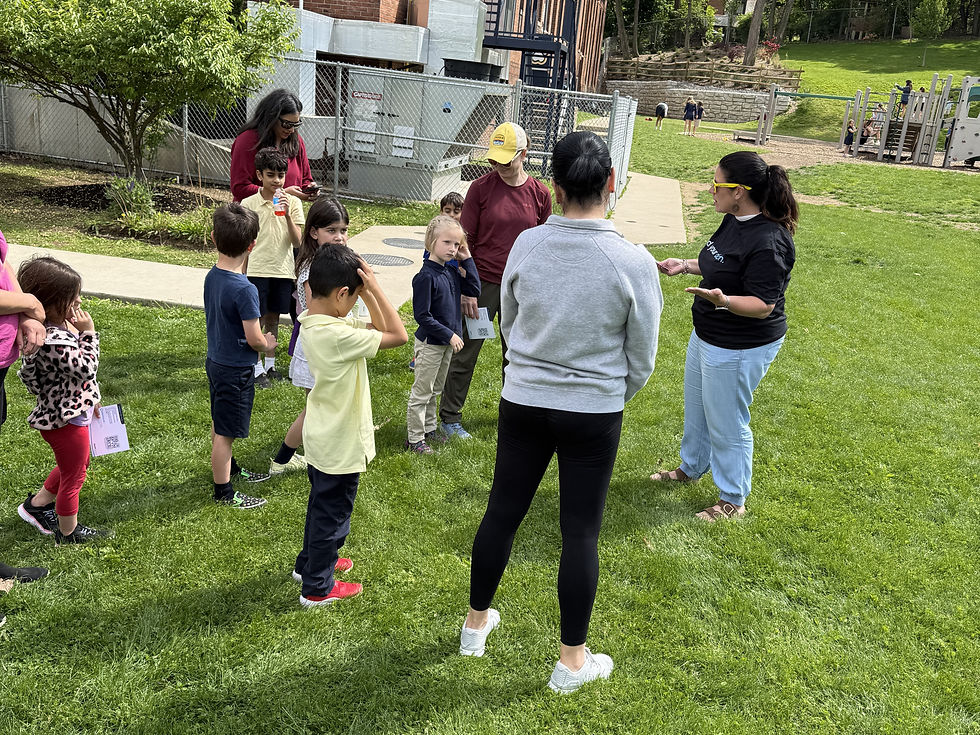
And Coach Paige, comparing notes after a summer of both, said her DashStrom training prepared her for real classroom leadership better than an entire internship did. Not because the internship wasn't real experience — but because DashStrom's model is built around exactly what the research points to: structured practice, close mentorship, and immediate, specific feedback, from day one.
That's the shift we train. When a coach says “I have some ideas for how to help my kids find their dash,” our DashStrom team gives a standing ovation. That’s when we know we have the makings of a DashStrom Certified Coach who can tell you exactly what that kid overcame to get there.


Comments